
Understanding Iran-Related Sanctions Compliance and Risks
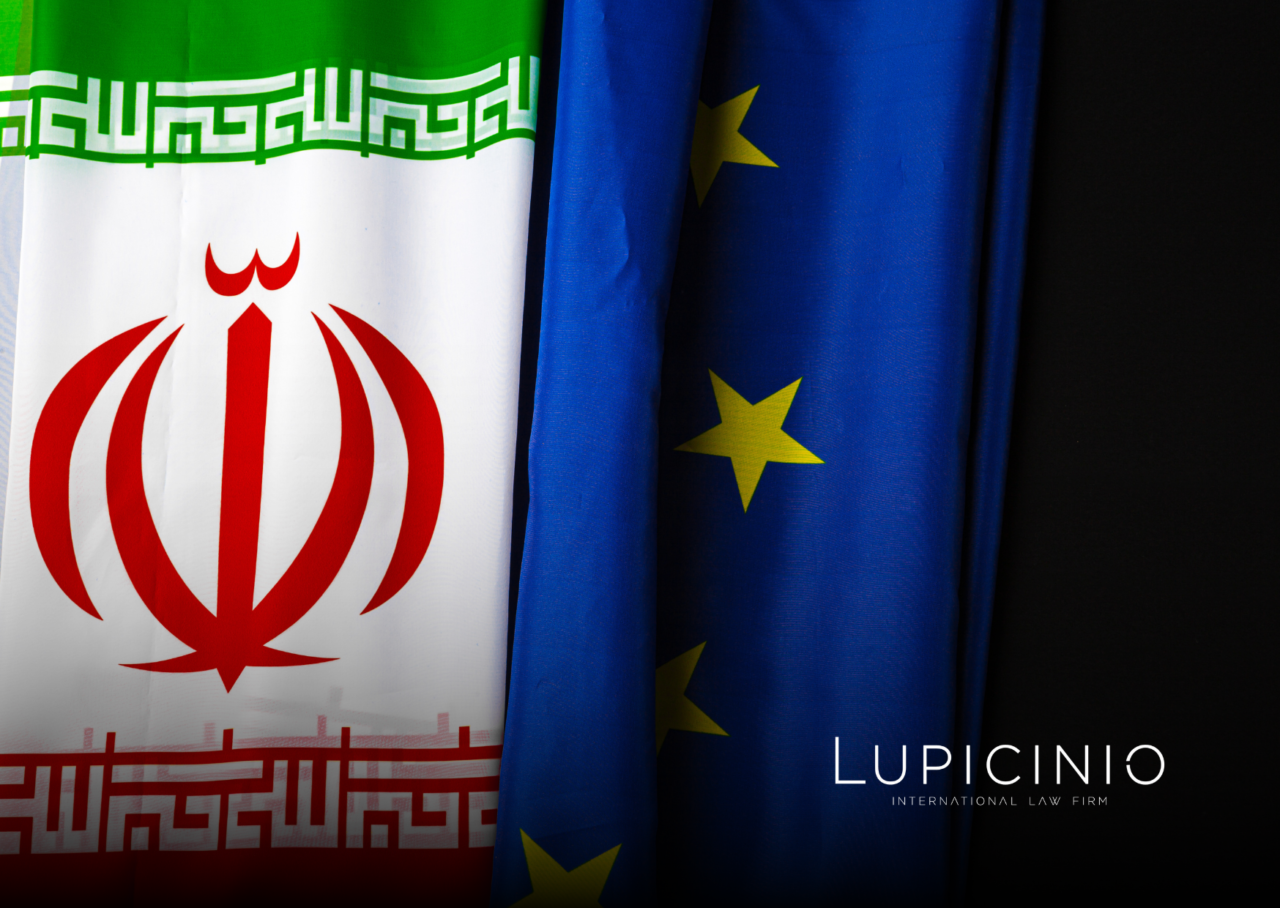
Guidance on Iran-Related Sanctions
The geopolitical environment surrounding Iran has resulted in a complex web of sanctions imposed by various international bodies, particularly the United States. These sanctions aim to address concerns regarding Iran’s nuclear program, support for terrorism, human rights violations, and other activities deemed destabilizing. Understanding these sanctions is crucial for businesses and organizations dealing with Iran or entities related to it. This article provides a thorough overview of Iran-related sanctions, focusing on compliance, associated risks, and best practices to ensure adherence to legal requirements. For more in-depth legal guidance on this topic, please visit guidance on Iran-related sanctions https://clearbridgetech.com/pages/iran-related-sanctions-compliance-and-legal-risks.html.
Overview of Iran-Related Sanctions
Iran-related sanctions are primarily enforced by the United States and include restrictions on trade, investment, and financial transactions with Iranian entities and individuals. These measures are designed to compel Iran to change its behavior concerning its nuclear program and other activities of concern. Sanctions can be broadly categorized into comprehensive sanctions, which prohibit a wide range of activities, and targeted sanctions, which restrict specific individuals, entities, or sectors.
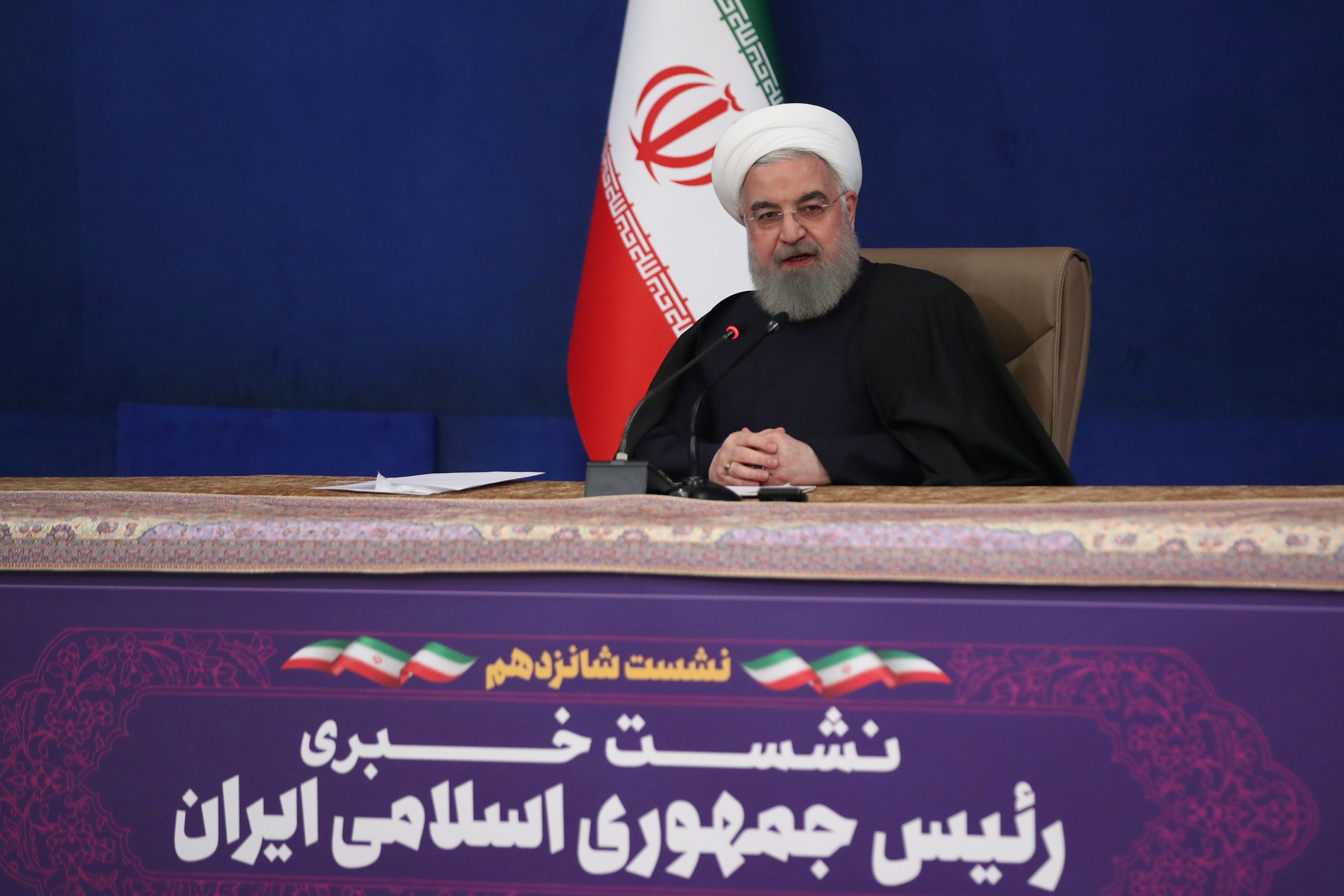
Types of Sanctions
1. **Comprehensive Economic Sanctions**: These sanctions prohibit virtually all transactions and activities with Iran. U.S. businesses are barred from engaging with the Iranian economy and are subject to strict penalties for violations.
2. **Sectoral Sanctions**: Specific sectors of the Iranian economy, such as energy, finance, and shipping, face targeted sanctions. These measures limit transactions and investments in these sectors and apply to foreign entities dealing with Iran as well.
3. **Individual Sanctions**: Certain individuals associated with the Iranian government, military, and companies are subject to asset freezes and travel bans. Engaging with these individuals can result in legal repercussions.
Key Regulatory Bodies
Several regulatory bodies oversee the implementation and enforcement of Iran-related sanctions:
- U.S. Department of Treasury – Office of Foreign Assets Control (OFAC): OFAC is the primary agency responsible for administering and enforcing U.S. economic sanctions against Iran. It maintains the Specially Designated Nationals (SDN) list, which includes individuals and entities subject to sanctions.
- U.S. Department of State: This department plays a crucial role in establishing and implementing foreign policy, which includes sanctioning individuals and entities in relation to Iran.
- European Union: The EU has its own set of sanctions against Iran, which may differ from U.S. measures. Businesses operating in Europe must remain aware of these regulations to ensure compliance.
Compliance Challenges
Complying with Iran-related sanctions is fraught with challenges, particularly for companies with multinational operations. Some of the primary compliance hurdles include:
- Understanding the Scope of Sanctions: The complex nature of sanctions can make it difficult for businesses to accurately assess whether their activities violate regulations.
- Third-Party Risks: Engaging with third-party vendors, partners, or clients that have connections to Iran can inadvertently lead to sanctions violations.
- Continuous Monitoring: Sanctions lists are frequently updated, necessitating ongoing monitoring of business relationships to ensure compliance.
Best Practices for Compliance
To navigate the intricate landscape of Iran-related sanctions, businesses should implement the following best practices:
- Conduct Comprehensive Risk Assessments: Evaluate the risk exposure related to Iran in your operations, including supply chains, partnerships, and market engagements.
- Implement Robust Compliance Programs: Establish and maintain compliance programs that include employee training, guidelines for transactions, and procedures for reporting potential violations.
- Stay Informed: Keep up to date with changes in sanctions regulations and enforcement actions by monitoring updates from regulatory bodies such as OFAC and the European Union.
- Consult Legal Experts: Engage with legal counsel to navigate complex legal requirements and ensure compliance with both U.S. and international sanctions.
The Consequences of Non-Compliance
Failure to comply with Iran-related sanctions can lead to severe penalties, including hefty fines, legal action, and reputational damage. Companies may face civil and criminal penalties under U.S. law, which can amount to millions of dollars. Furthermore, non-compliance can result in the loss of business opportunities and partnerships, making adherence to regulations essential for sustained operations.
Conclusion
Iran-related sanctions represent a significant regulatory landscape for businesses and organizations engaged in international trade and investment. Understanding the nuances of these sanctions, maintaining compliance, and implementing effective risk management strategies are vital for success. As the geopolitical landscape continues to evolve, staying informed and proactive will be crucial in navigating the challenges associated with Iran-related sanctions.
39 مجموع المشاهدات, 0 اليوم

